

Achieving Perfection with Post Renovation Cleaning Tips

Renovation projects bring new life to spaces but leave behind a significant mess. Dust, debris, and residues cover surfaces, making the area unsafe and unpleasant. Achieving perfection with post renovation cleaning requires a systematic approach. I focus on thoroughness, safety, and efficiency to restore the space to its best condition. This guide shares practical post renovation cleaning tips to help you manage the process effectively.
Understanding the Importance of Post Renovation Cleaning Tips
Renovation dust contains fine particles that settle on every surface. These particles can cause allergies and damage electronics if not removed properly. Post renovation cleaning is not just about appearance; it is about health and safety. I always start by assessing the extent of the mess and identifying hazardous materials like paint chips or nails.
Proper cleaning after renovation prevents long-term damage to floors, walls, and furniture. It also prepares the space for immediate use. Skipping or rushing this step leads to poor indoor air quality and potential damage to new installations. I recommend using protective gear such as masks and gloves during cleaning to avoid inhaling dust or touching harmful substances.

Essential Post Renovation Cleaning Tips for Every Space
Effective post renovation cleaning requires a clear plan. I break down the process into manageable steps to ensure no area is overlooked. Here are the key tips I follow:
Remove Large Debris First
Start by clearing out large pieces of debris like wood scraps, drywall chunks, and packaging materials. Use a broom or dustpan to collect these items and dispose of them safely.
Vacuum Thoroughly
Use a vacuum cleaner with a HEPA filter to capture fine dust particles. Vacuum floors, walls, ceilings, and upholstery. Pay special attention to corners and vents where dust accumulates.
Wipe Down Surfaces
After vacuuming, wipe all surfaces with a damp microfiber cloth. This includes countertops, cabinets, windowsills, and light fixtures. Use appropriate cleaning solutions for different materials to avoid damage.
Clean Air Vents and Filters
Renovation dust can clog HVAC systems. Clean or replace air filters and vacuum air vents to improve air quality.
Mop Floors Last
Finish by mopping hard floors with a suitable cleaner. Avoid excessive water on wood floors to prevent warping.
These steps ensure a comprehensive clean that removes dust and debris effectively. I recommend repeating vacuuming and wiping if the dust is heavy.
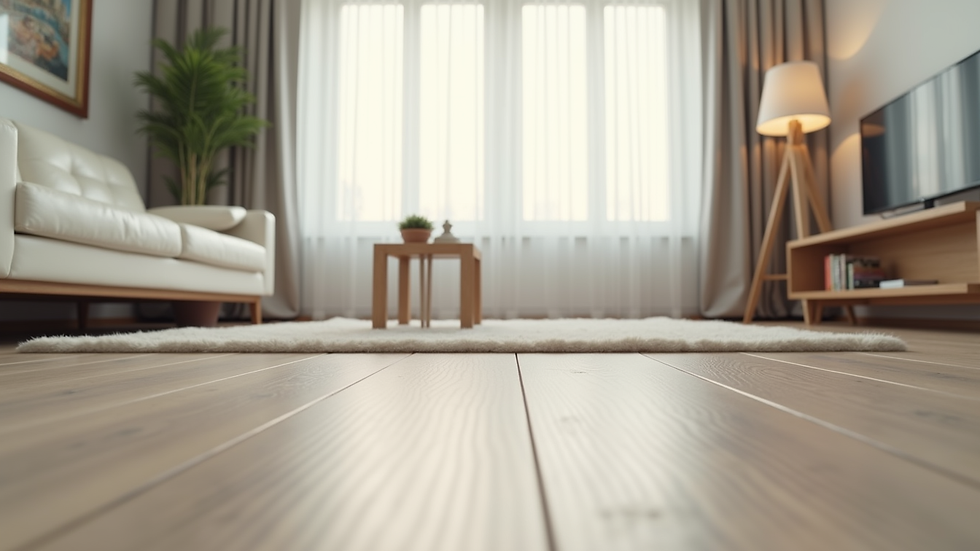
Tools and Products That Make Post Renovation Cleaning Easier
Using the right tools and products speeds up the cleaning process and improves results. I rely on the following essentials:
HEPA Vacuum Cleaner: Captures fine dust and allergens better than regular vacuums.
Microfiber Cloths: Trap dust without scratching surfaces.
Mild Detergents and Surface Cleaners: Safe for various materials including wood, glass, and metal.
Scrapers and Putty Knives: Remove paint splatters and dried adhesives.
Protective Gear: Masks, gloves, and goggles protect against dust and chemicals.
Choosing eco-friendly cleaning products aligns with sustainable practices. These products reduce chemical exposure and environmental impact. I always check product labels to ensure they are safe for indoor use and effective against renovation residues.
When to Consider Professional Post Renovation Cleaning Services
Some renovation projects create extensive messes that require professional intervention. I recommend professional cleaning in these cases:
Large commercial renovations with heavy dust and debris.
Projects involving hazardous materials like asbestos or lead paint.
Situations requiring specialized cleaning such as biohazard or trauma remediation.
Tight deadlines that demand quick and thorough cleaning.
Professional cleaners have specialized equipment and training to handle complex post renovation cleaning challenges. They ensure compliance with safety standards and deliver a spotless finish. For those in Singapore, post renovation cleaning singapore offers expert services tailored to sensitive and challenging cleaning needs.
Maintaining Cleanliness After Renovation
Cleaning after renovation is not a one-time task. Dust can resettle, and residues may appear over time. I advise regular maintenance to keep the space pristine:
Dust surfaces weekly with microfiber cloths.
Vacuum floors and upholstery regularly.
Check and clean air filters monthly.
Address spills and stains immediately to prevent damage.
Maintaining cleanliness protects your investment and ensures a healthy environment. It also extends the life of new finishes and fixtures.
Final Thoughts on Achieving Perfection with Post Renovation Cleaning Tips
Achieving perfection in post renovation cleaning requires planning, the right tools, and attention to detail. I emphasize safety and thoroughness to restore spaces effectively. Whether handling a small home project or a large commercial renovation, following these tips ensures a clean, safe, and welcoming environment. Remember, professional help is available for complex situations. Prioritize cleaning to enjoy the full benefits of your renovation.


Comments