

What types of mold is harmful to us?

Updated: Apr 10, 2023
Exposure to a large number of mold spores may cause allergic symptoms such as watery eyes, runny nose, sneezing, itching, coughing, wheezing, difficulty breathing, headache, and fatigue. Repeated exposure to mold can increase a person's sensitivity, causing more severe allergic reactions.
But, are all mold harmful to us?
Mold spores are everywhere and when they find moisture and moderate temperatures, they thrive and grow. While some fungi are beneficial, many can be dangerous and destructive to property.
The more common molds that most homeowners encounter can be classified into three categories: allergenic, pathogenic, and toxic.
Allergenic – Unlikely to cause illness (though it may aggravate mild allergies)
Pathogenic – Can cause infection in people who are immunocompromised.
Toxigenic – Toxic to all humans and animals who encounter it.
Once mold is discovered, you should hire a professional and once the mold is removed, it is essential to identify the moisture problem that led to the growth.
Below are some of the mold commonly found at home.
Acremonium
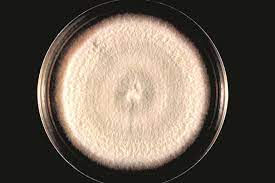
Typically begins as a small colony of pink, grey, orange or white moist mold that turns powdery.
Often found in home humidifiers, aircons, cooling coils, drain and drip pans, and near leaky windows. It's often found with Strachybotrys (black mold) and requires removal by a professional.
Alternaria

Dark green or brown velvety texture with protruding "hairs".
Most often found in shower stalls, bathtubs, and near sinks. Its presence usually signifies water damage has occurred and the mold will quickly spread.
Aspergillus

Typically has grey or green spores that can form thick layers of mold. However, multiple species of Aspergillus appear as different colors.
Often appears on wooden surfaces. Extensive infestation should be removed by a professional.
Aureobasidium
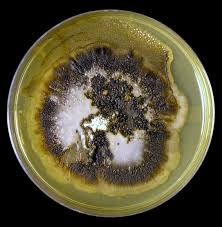
First appears as a pink, brown or black mold but turns dark brown as it grows and matures.
Found in dark wet and water-damaged areas such as under carpets, behind wallpaper, and on wooden surfaces.
Chaetomium

Mold spores begin as white and cotton-like but darken to gray, brown or black. Distinguished by a musty odor.
Thrives in water-damaged drywall, wooden surfaces, wallpaper, and under wet carpet and roof shingles. Often mistaken as black mold, removal is best handled by professionals.
Mucor

Grows quickly to develop thick patches of white or gray mold.
Found in extremely wet spaces where condensation has formed such as near air conditioners, aircons ductwork, and leaky windows and doors. Classified as allergenic, require a professional.
Stachybotry

Known as the toxic black mold, the colony has a dark green or black slimy texture.
Most often found in areas inside a home that have been exposed to excessive water and humidity for weeks. Typically develops behind walls and ceilings on wood. Removal and disposal of affected building materials must be done by professionals.

Comments