

Mastering the Art of Specialist Cleaning: Advanced Cleaning Techniques Guide
Specialist cleaning requires precision, knowledge, and the right tools. It goes beyond everyday cleaning tasks. It involves handling biohazards, trauma scenes, and other sensitive environments. Mastering this art means understanding the challenges and applying advanced cleaning techniques. This guide covers essential methods and practical advice to help you achieve the highest standards in specialist cleaning.
Understanding Specialist Cleaning Challenges
Specialist cleaning involves unique challenges. These include dealing with hazardous materials, biological contaminants, and delicate surfaces. Each situation demands a tailored approach. For example, biohazard cleaning requires strict adherence to safety protocols to prevent contamination. Trauma scene cleaning needs sensitivity and thoroughness to restore the environment properly.
Key challenges include:
Identifying the type of contamination
Selecting appropriate cleaning agents
Using protective equipment correctly
Disposing of waste safely
Understanding these factors is crucial. It ensures safety and effectiveness in every cleaning task.
Advanced Cleaning Techniques Guide
Advanced cleaning techniques improve results and efficiency. They rely on specialized equipment and methods designed for tough environments. Here are some essential techniques:
1. Chemical Disinfection
Chemical disinfection uses EPA-approved agents to kill pathogens. It is vital in biohazard and trauma cleaning. The process involves:
Pre-cleaning surfaces to remove debris
Applying disinfectants with proper dwell time
Rinsing or wiping surfaces as needed
Always follow manufacturer instructions. Use chemicals suitable for the specific contaminants and surfaces.
2. HEPA Vacuuming
HEPA vacuuming captures fine particles and allergens. It is essential for removing dust, mold spores, and biohazards. Use vacuums with HEPA filters to ensure contaminants do not escape back into the air.
3. Ozone Treatment
Ozone treatment neutralizes odors and kills microorganisms. It is effective in spaces affected by smoke, bacteria, or viruses. Ozone generators must be used in unoccupied areas due to health risks.
4. Steam Cleaning
Steam cleaning uses high-temperature steam to sanitize surfaces. It is chemical-free and effective on hard surfaces. This method is useful for removing stubborn stains and killing germs.
5. Encapsulation
Encapsulation involves sealing contaminants within a protective layer. It is often used for asbestos or lead paint remediation. This technique prevents the spread of hazardous particles during cleaning.

Equipment and Safety Protocols
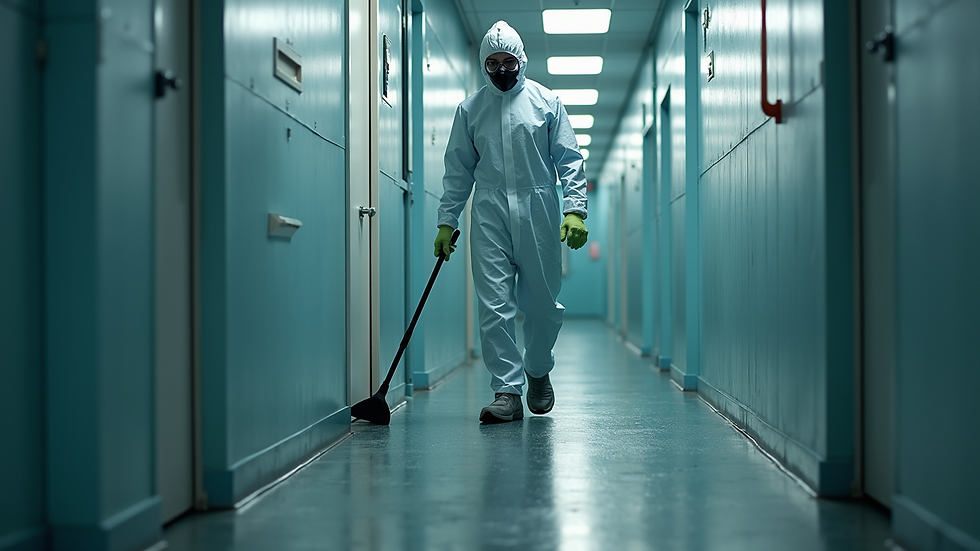
Using the right equipment and following safety protocols is non-negotiable in specialist cleaning. Personal protective equipment (PPE) includes gloves, masks, goggles, and suits. Proper PPE protects cleaners from exposure to harmful substances.
Equipment checklist:
Respirators or masks rated for biohazards
Disposable gloves and protective clothing
HEPA-filtered vacuums
Chemical-resistant containers for waste
Ozone generators and steam cleaners
Safety protocols include:
Conducting risk assessments before cleaning
Isolating the contaminated area
Using signage to warn others
Properly disposing of contaminated materials
Decontaminating equipment after use
Adhering to these protocols reduces health risks and ensures compliance with regulations.
Practical Tips for Effective Specialist Cleaning
Efficiency and thoroughness are key. Here are practical tips to enhance your cleaning process:
Plan the job: Assess the site and prepare all necessary tools and materials.
Work systematically: Clean from the least contaminated to the most contaminated areas.
Use color-coded equipment: Prevent cross-contamination by assigning specific tools to different zones.
Maintain ventilation: Ensure good airflow to reduce airborne contaminants.
Document the process: Keep records of cleaning steps and materials used for accountability.
These tips help maintain high standards and improve client trust.
Why Choose Professional Specialist Cleaning Services
Professional specialist cleaning services bring expertise and experience. They understand the complexities of biohazard and trauma cleaning. Professionals use advanced techniques and follow strict safety standards. This ensures thorough cleaning and reduces health risks.
Choosing a trusted service provider also means:
Access to certified and trained personnel
Use of eco-friendly and effective cleaning agents
Compliance with local regulations and guidelines
Reliable waste disposal methods
For those seeking detailed insights and updates, the specialist cleaning blog offers valuable resources and industry news.
Building Trust Through Quality and Eco-Friendly Practices
Quality and environmental responsibility go hand in hand. Using eco-friendly products reduces chemical exposure and environmental impact. It also aligns with growing client expectations for sustainable practices.
To build trust:
Use biodegradable and non-toxic cleaning agents
Implement waste reduction strategies
Train staff on eco-friendly methods
Communicate your commitment to clients clearly
This approach enhances reputation and supports long-term business growth.
Enhancing Skills and Staying Updated
The field of specialist cleaning evolves with new technologies and regulations. Continuous learning is essential. Attend workshops, obtain certifications, and follow industry updates. This keeps skills sharp and knowledge current.
Regular training topics include:
Latest disinfection technologies
Updated safety standards
New biohazard handling procedures
Advances in remediation techniques
Staying informed ensures the highest level of service and safety.
Final Thoughts on Specialist Cleaning Mastery
Mastering specialist cleaning requires dedication and precision. It involves understanding challenges, applying advanced techniques, and following strict safety protocols. Practical tips and continuous learning enhance effectiveness. Choosing professional services ensures quality and compliance.
By focusing on quality, safety, and eco-friendly practices, you can meet the demanding needs of specialist cleaning. This commitment builds trust and supports a safer environment for all.


Comments